Dreambook
That the method repeats. This is where a one-off build became a reusable system.
- Launched
- 2026-01
- Stack
- Flutter · FastAPI · LLM pipeline · S3
- Audience
- Consumer, global
- Status
- Live
Why I built it
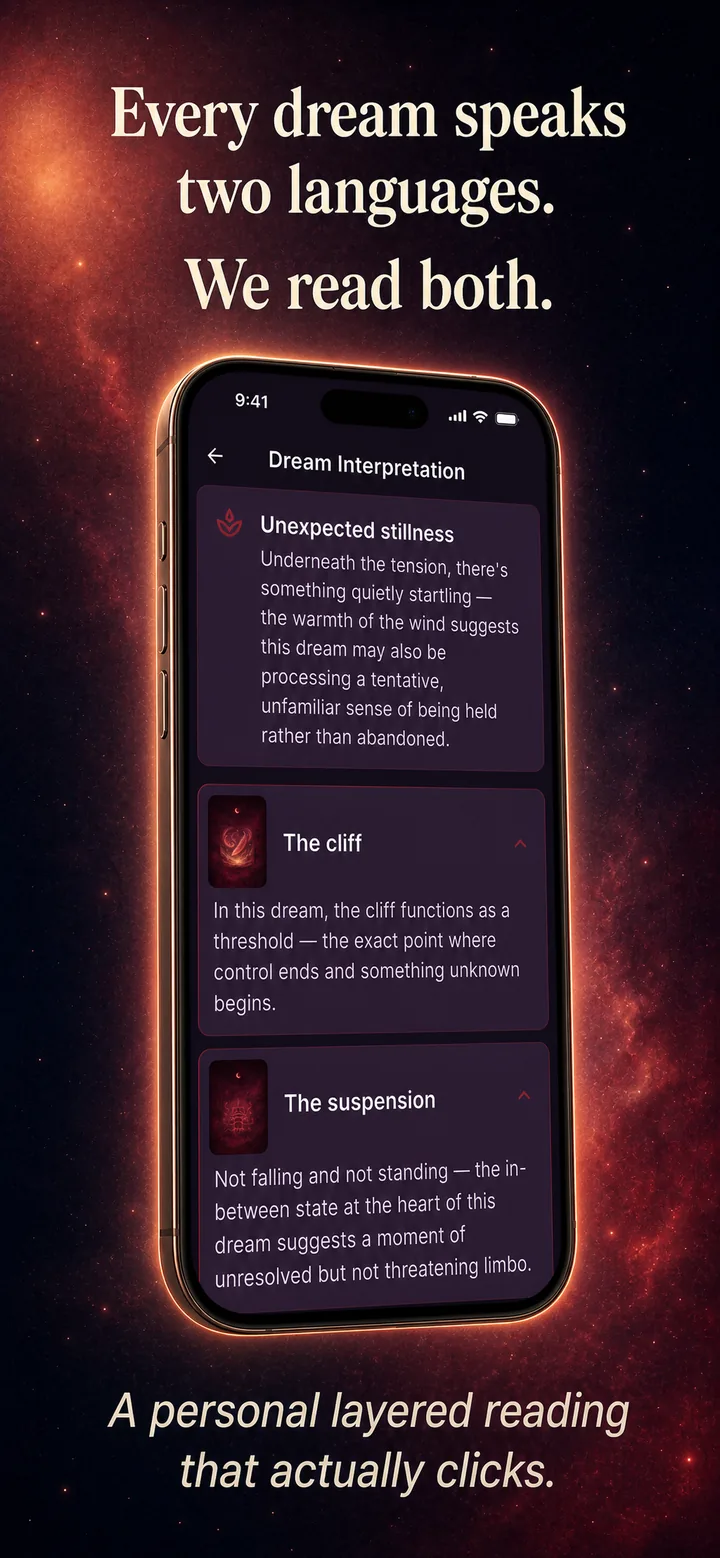
I was burning with one idea: that a product can be assembled from almost anything. I wanted the simplest possible thing, a product made from one input and one button. My wife, my favorite idea generator, threw a dream dictionary into the pile. I decided that was it. Wrap a model, sell it, perfect. I did not even look at the competitors. This was me learning by doing, taking it lightly, making mistakes and reflecting on every one.
The moment
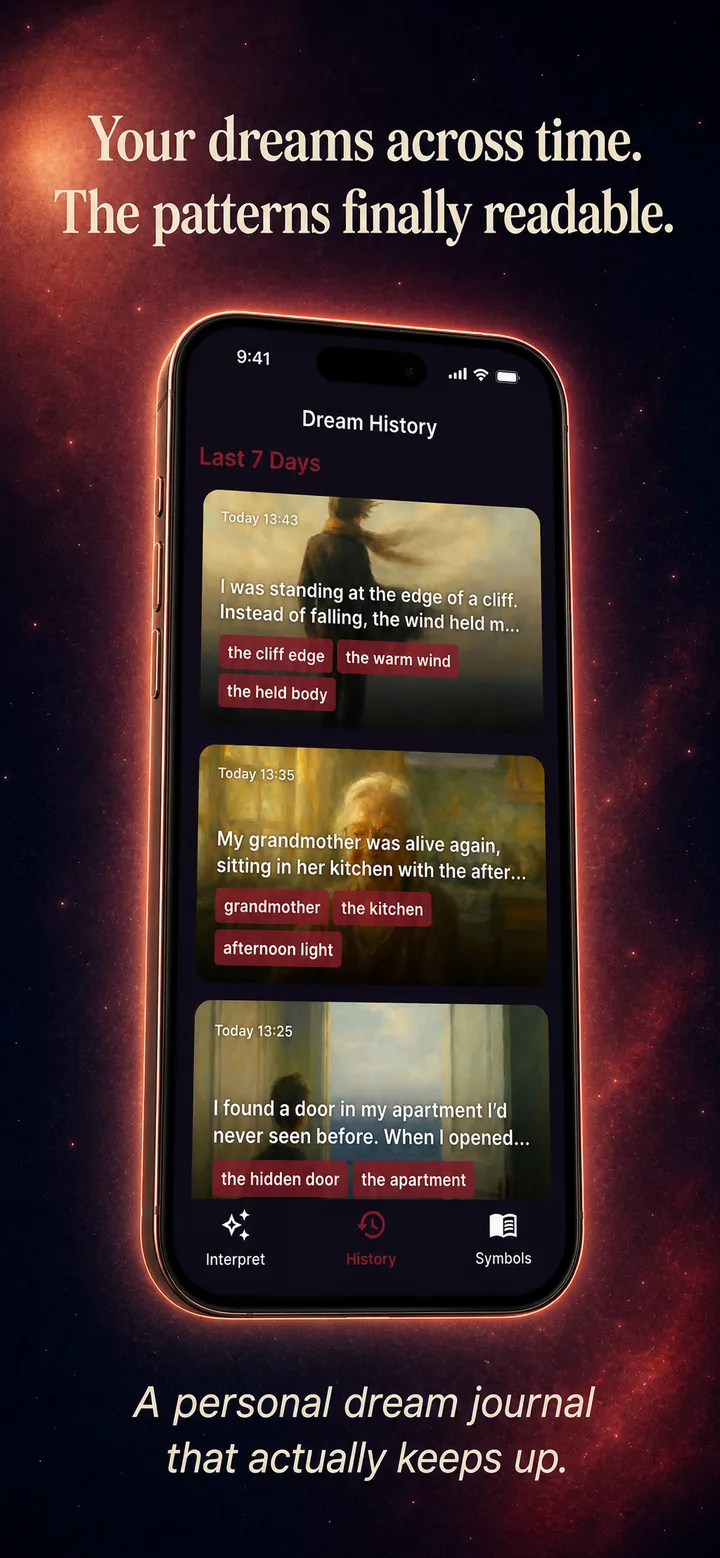
For the first four months Dreambook lived with no onboarding. I watched 60 percent of new users fall out of the funnel and I told myself people just do not remember their dreams, so they never fill anything in. It was my mistake, not theirs. The first sale landed one week after I shipped onboarding.
The hard part
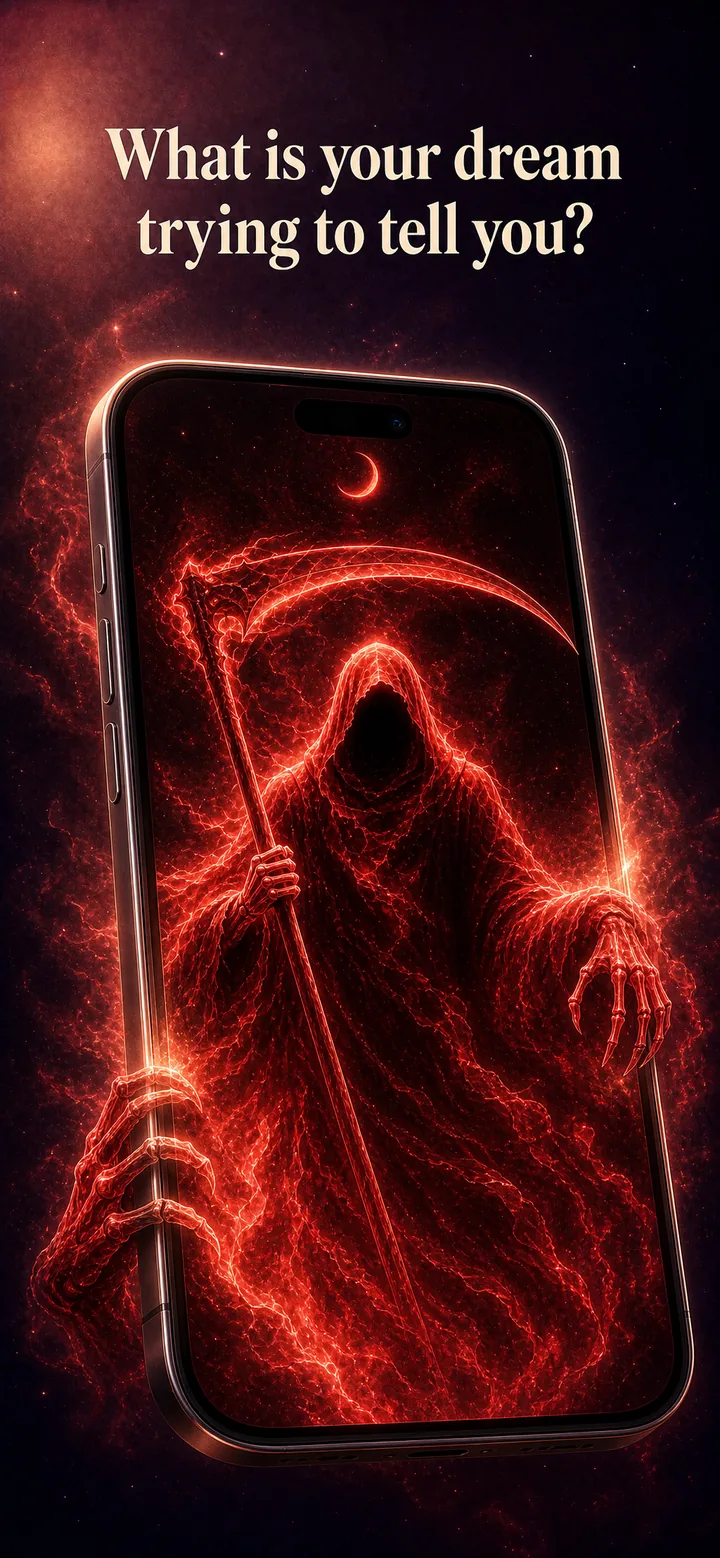
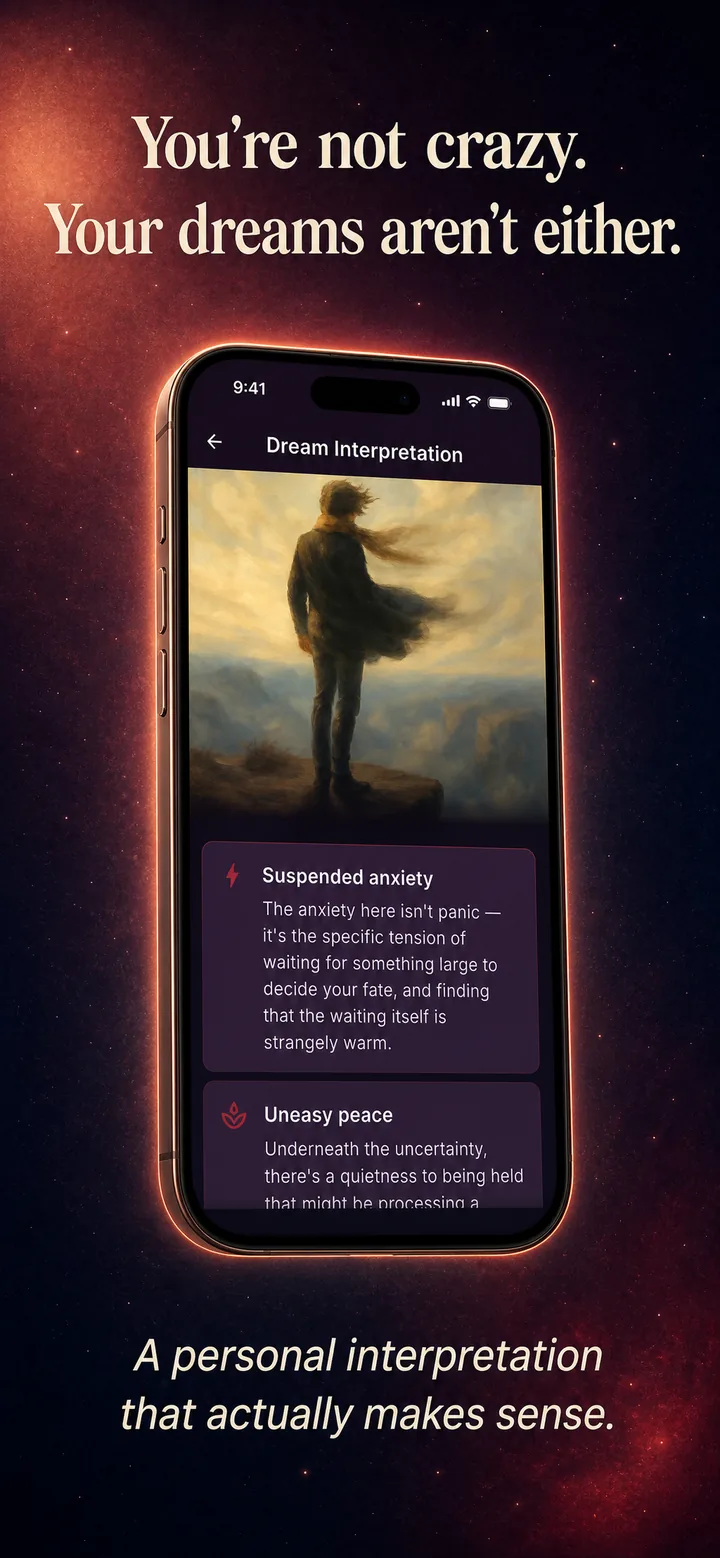
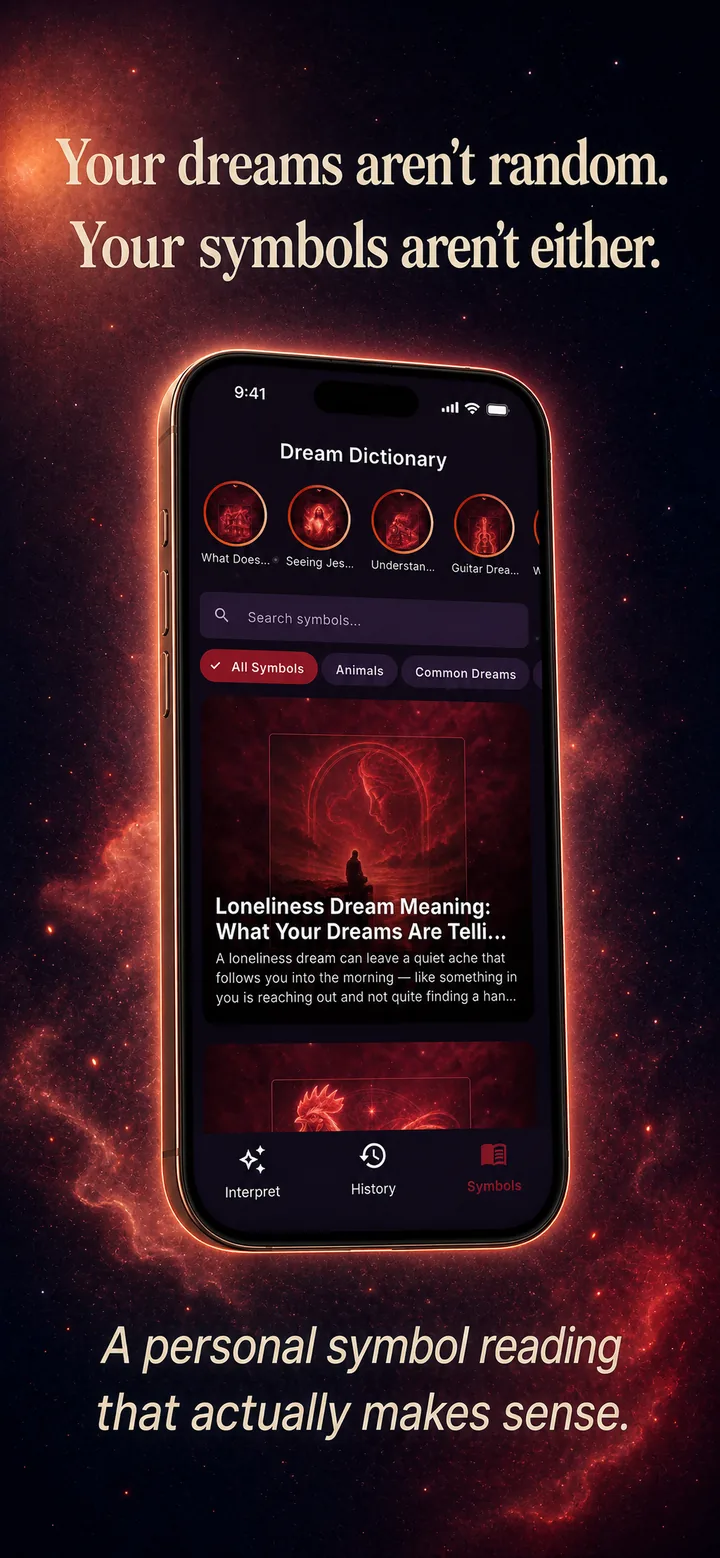
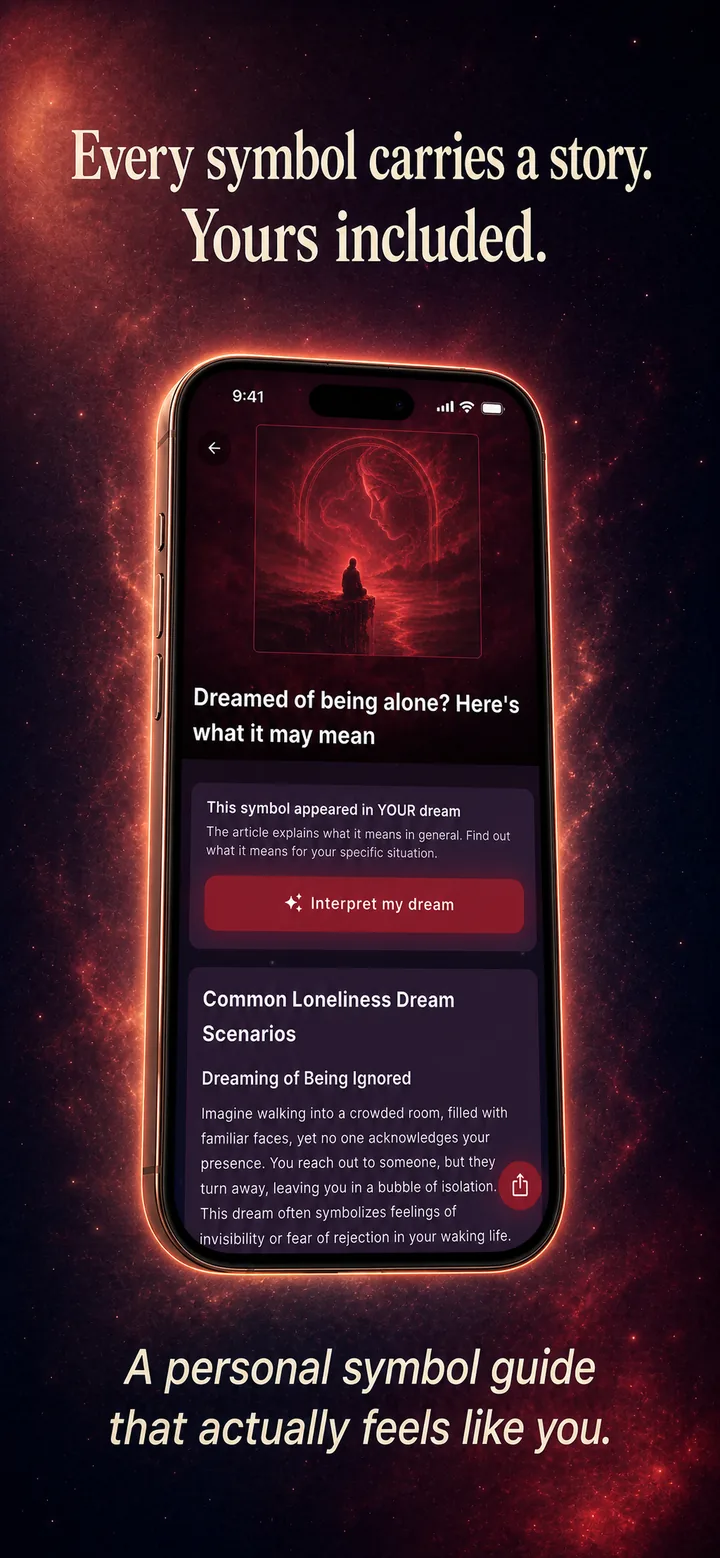
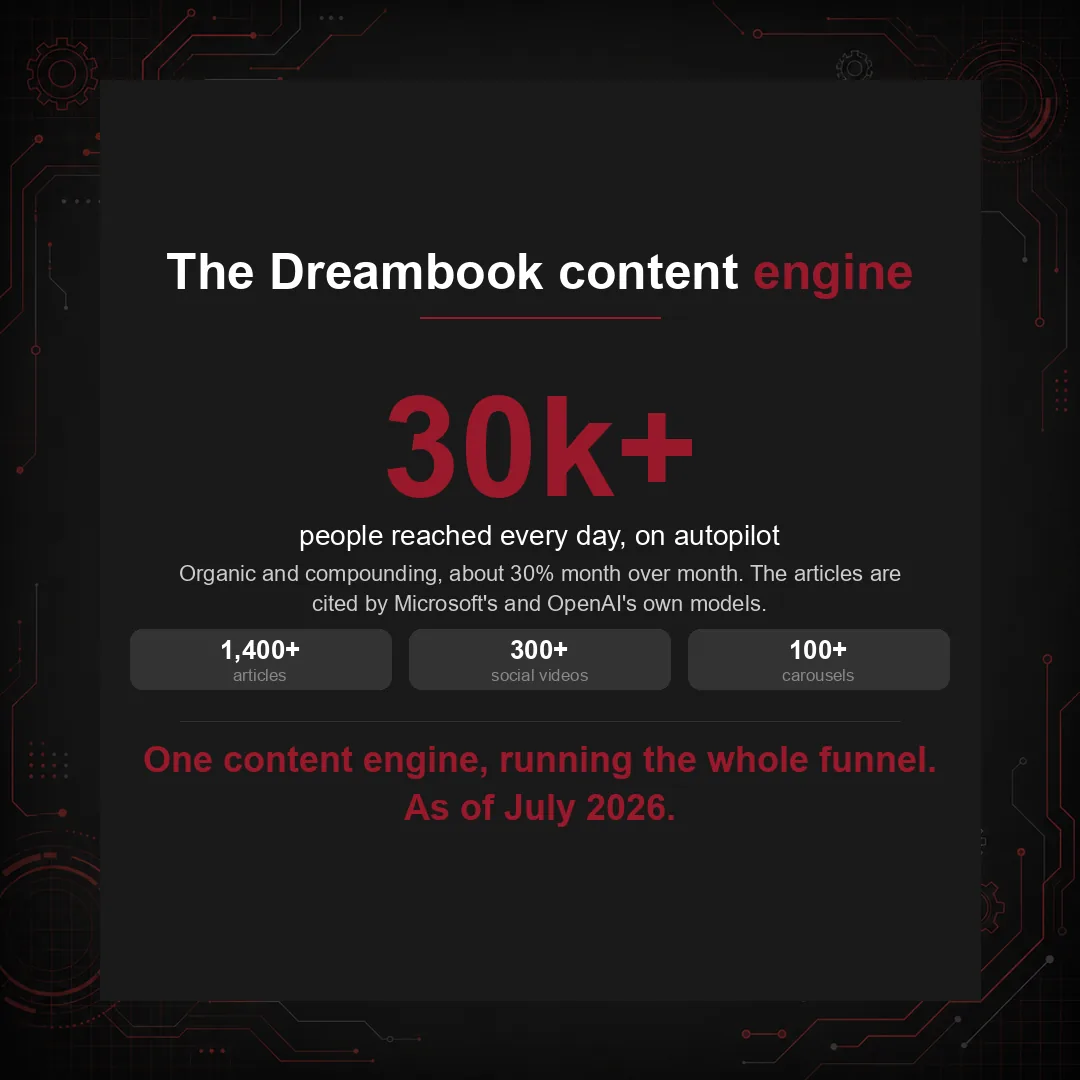
Dreambook is where the factory got built. Underneath it sits Shitty Apps, my own platform: identity, payments and subscriptions, config, an AI gateway, storage. On top of that, a content factory generating localized interpretations at volume, regional voices and regional pricing, a video pipeline, and personalization by interpretation style. The real engineering was making one system produce localized, personalized content at scale.
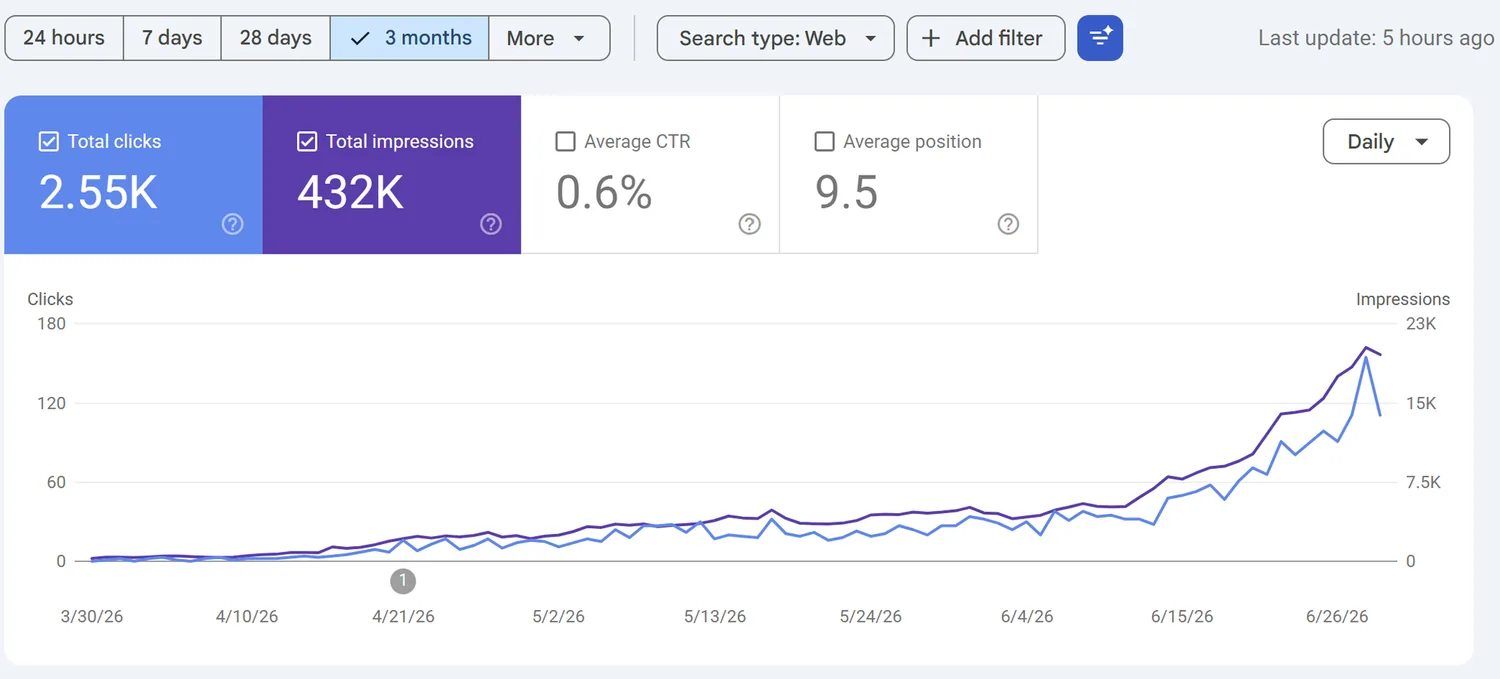
- When a funnel leaks, the funnel is the bug. Not the user. I spent four months blaming people for not remembering their dreams. The product simply had no onboarding.
- A product is a system, not an app. Dreambook is two platforms, a website, a content pipeline that ships dozens of pieces a day, an SEO engine and a dozen social accounts. You cannot reason about the parts in isolation.
- I do not let agents ship to production blind, and I never have. I am an ex-QA engineer, not a vibe coder. If there were mistakes, I caught them on the way in.